
Tips for Selecting the Right Coloring Materials
Choosing the right materials is vital for making the most of your flower vase coloring page experience. The paper and tools you pick can impact the final look of your artwork.
Choosing the Best Paper for Coloring
Finding the perfect paper is key. Start with heavy-weight, smooth paper suited for your coloring tools. It will prevent bleeding and allow for better blending. Acid-free paper is a good choice to ensure long-lasting art. Opt for papers specifically designed for coloring for the best results.
Selecting the Perfect Types of Coloring Tools
Your choice of tools can make or break your coloring page’s aesthetics. For precision and vibrancy, high-quality colored pencils are a good choice. They offer control and are great for adding details. Watercolor markers can give a soft look but require watercolor paper. Gel pens shimmer and are perfect for highlights. Choose based on the look you aim for and ensure they complement your chosen paper type. Remember, practice makes perfect, so experiment to find what works best for you.
Incorporating Different Art Styles into Your Coloring
To add a unique twist to your flower vase coloring page, consider blending various art styles. This can give depth to your artwork and reflect your personal flair.
Experimenting with Line Art and Shading Techniques
Line art emphasizes the form and outline of your vase and flowers. Use fine liners to create sharp lines and define edges. Shading adds volume, giving a 3D effect to your composition. Start with light shading and gradually darken areas away from the light source to build depth.
Experiment with cross-hatching, where you draw sets of parallel lines over one another at different angles, or stippling, dotting the paper for texture. These methods bring out the delicate details of the flower vase.
Exploring Abstract and Geometric Designs
Abstract methods involve playing with color blocks and shapes to create an unexpected look. Use vibrant colors in different segments of your flower vase coloring page for an abstract feel. Geometric designs offer a modern touch. Fill sections of the vase or background with triangles, circles, or squares.
Juxtapose these shapes with the organic forms of the flowers for a striking contrast. Using these designs can transform a simple flower vase coloring page into a stunning piece of art that showcases your creativity and skill in combining different art styles.
Themed Flower Vase Coloring Ideas
Embrace themes to make your flower vase coloring page stand out. Themes can guide your color choices and add a powerful emotional aspect to your work.
Seasonal Inspirations for Vase Designs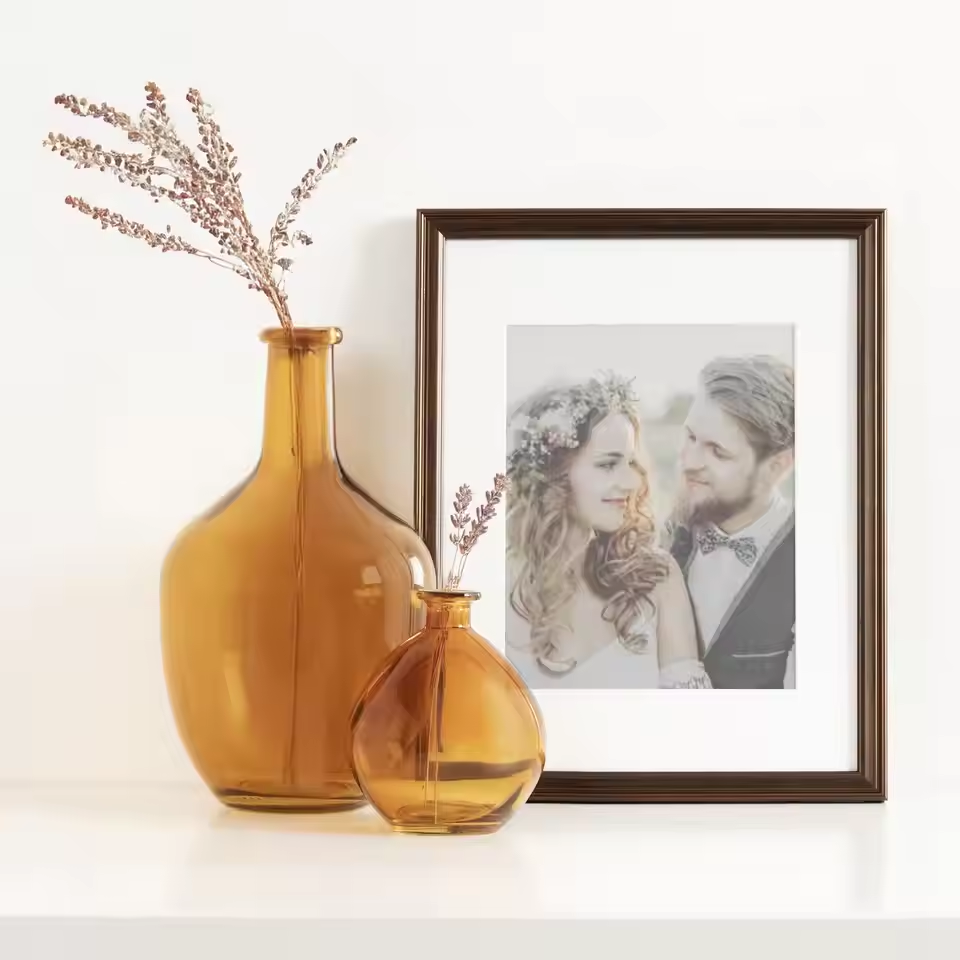
Every season offers unique colors and feelings. In spring, use pastel colors to echo blooming flowers. Bright greens and flower shades like daffodil yellows or cherry blossom pinks can make your page pop. For summer, think about bold, warm hues – sunflower yellow, sky blue, or ocean teal. Autumn calls for warm golds, deep oranges, and rich browns reflecting falling leaves. Winter-themed pages look great with icy blues, whites, and grays, resembling snow and frost.
Holiday and Festive Vase Coloring Projects
Holidays bring their own color palette and themes. For Christmas, color your vase with reds, greens, and golds. Add pine leaves to your flowers too. Halloween allows for creativity with blacks, purples, oranges, and theme-related decorations like pumpkins. For Easter, use soft pinks, blues, and yellows, and you can add egg shapes subtly in your design. Valentine’s Day? Pinks and reds with heart motifs. Remember, each holiday offers an opportunity to explore different color schemes and decorations, enhancing your flower vase coloring page.
Adding Backgrounds to Flower Vase Coloring Pages
Adding backgrounds to your flower vase coloring pages creates a complete, polished look. A well-designed background unifies the composition and sets the mood for your artwork.
Creating Harmony in Page Composition
To create harmony, choose background colors that complement the colors of your flowers and vase. Try a soft gradient for a subtle effect or a contrasting solid color for a bold statement. Keep in mind the overall balance – a busy vase design benefits from a simpler background, while a minimalistic vase may allow for a more intricate background.
Techniques for Effective Background Coloring
You can use various techniques to make your background stand out. Gradient coloring is one approach where you blend colors from light to dark to give the effect of light shining through. Another technique is stippling, which involves adding lots of small dots to create texture. You can also use broad strokes for a watercolor-like effect on larger areas. Practice these techniques to find what works best for your flower vase coloring page.
Techniques for Blending and Layering Colors
Achieving a realistic and dynamic look on your flower vase coloring page involves blending and layering colors. These techniques help create a natural progression of hues, mimicking how colors interact in real life.
Mastering Smooth Color Transitions
To master smooth color transitions, start by selecting a range of shades. Begin with the lightest color and gradually add darker tones. Use a light hand and build up the color slowly. Overlapping layers is key. This creates a gradual change from one color to another. Practice makes perfect, so don’t hesitate to try different methods until you achieve the desired gradient.
Depth and Dimension in Flower Vase Coloring
Depth and dimension give your coloring page a lifelike appearance. Use darker colors to shade areas that are away from the light. Highlights with lighter colors can make parts of the flower vase stand out. Layer multiple shades to build complexity. Remember, shadows are not just black or gray. They can have hints of other colors, reflecting the environment around the vase. Combining these elements can add remarkable depth and realism to your creation.
Printable Flower Vase Coloring Page Templates
Embracing printable flower vase coloring page templates can be a game-changer for beginners and experienced artists alike. These templates offer the convenience of a ready-to-color design, freeing you from the task of drawing and letting you focus entirely on coloring. Let’s delve into the benefits of these templates for consistent practice.
Benefits of Using Templates for Consistent Practice
Utilizing printable templates can support consistent practice, which is crucial for skill development. Here are some key advantages:
- Structured Layout: Templates provide a structured layout, allowing you to concentrate on improving your coloring techniques.
- Variety of Designs: With various templates at hand, you can explore different vase and flower styles boosting your versatility.
- Time-Saving: Drawing from scratch takes time. Templates save you that time, instantly setting you up for a coloring session.
- Skill Level Matching: Templates are available for all skill levels – from simple designs for beginners to complex ones for pros.
- Repetition for Mastery: Repeatedly coloring the same design can solidify your techniques and improve hand steadiness and color theory understanding.
By integrating printable flower vase coloring page templates into your practice routine, you enhance your consistency, which is vital for developing expertise in any art form. They’re not just a means to practice, but a bridge to mastering the beauty of the flower vase coloring page.
Finishing Touches: Enhancing Your Coloring Pages
After laying down the base colors on your flower vase coloring page, it’s time for the finishing touches. These final steps are what make your artwork stand out. They give it character and bring your flowers and vase to life.
Adding Details with Fineliners and Gel Pens
Fine details can transform a good coloring page into a great one. With fineliners, you can add crisp, precise lines that define edges and patterns in your design. They work well for creating texture or enhancing the delicate outlines of flower petals.
Gel pens are great for highlights and decorative details. Their ink flows smoothly, allowing you to apply vibrant colors with a touch of gleam. Here’s how you can use these tools:
- Outline: Use fineliners to reinforce important edges, making them pop.
- Texture: Create fine patterns such as dots, dashes, or small shapes to add interest to plain areas.
- Shimmer: Add highlights with gel pens to suggest moisture on petals or a glint on the vase.
Remember, a little goes a long way. Don’t overdo the details. Choose focal points in your flower vase coloring page to embellish for the best effect.
The Role of Highlights and Shadows in Coloring
Highlights and shadows are essential for depth. They shape your coloring page, making it appear more three-dimensional. Highlights are where the light hits your flowers and vase most directly. Shadows are on the opposite side or below objects, where light is blocked.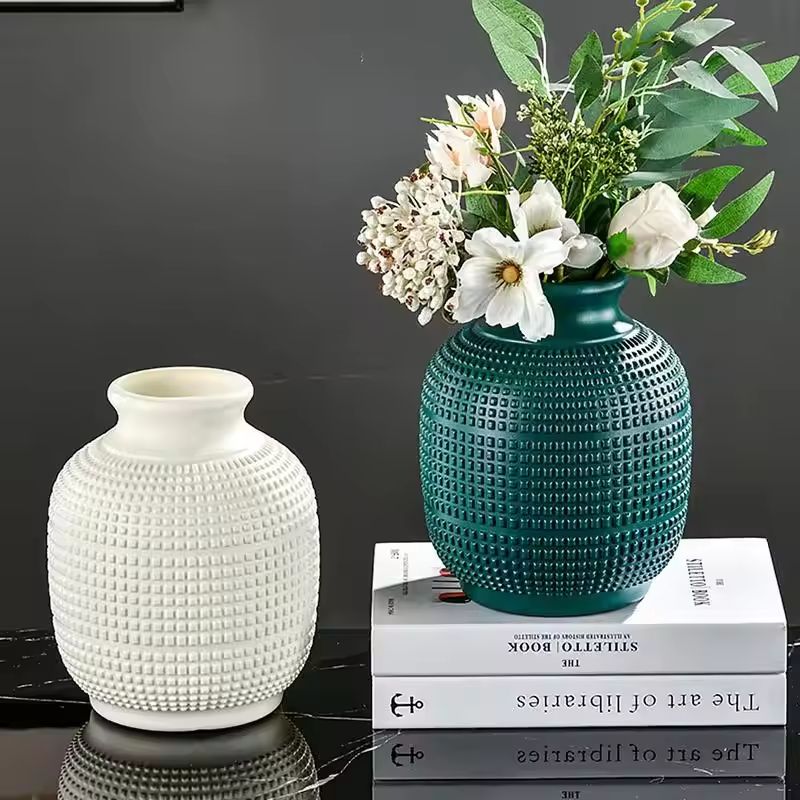
To apply these techniques effectively:
- Highlight: Pick a lighter shade or even white to add touches where the light is strongest.
- Shadow: Use darker shades to mark areas with less light.
- Blend: Make sure to blend your shadows and highlights into your base colors for a natural look.
Focus on the light source when adding shadows and highlights. Imagine where the light would naturally fall and shade accordingly. This practice will help you create a realistic and visually appealing flower vase coloring page.