
More Than Just a Diaper Change Essential
Baby wipes. These seemingly simple squares are a staple in any parent’s arsenal. But have you ever stopped to consider why? Are they truly a necessity, or just a convenient luxury? The truth is, baby wipes play a crucial role in maintaining your little one’s hygiene and comfort, extending far beyond just diaper changes. Let’s delve into the reasons why baby wipes are indispensable for your baby’s well-being. Why do babies need baby wipes?
1. Gentle and Effective Cleansing
Firstly, baby wipes are specifically designed for a baby’s delicate skin. Unlike adult wipes, they are typically formulated to be gentler, with fewer harsh chemicals and irritants. This makes them ideal for cleaning sensitive areas, such as the diaper area, without causing dryness or irritation. Moreover, baby wipes effectively remove dirt, grime, and bacteria, ensuring your baby stays clean and healthy.
2. Diaper Change Convenience
Secondly, and most obviously, baby wipes are a lifesaver during diaper changes. They provide a quick and convenient way to clean your baby’s bottom, removing any mess and preventing diaper rash. Furthermore, many baby wipes contain ingredients that soothe and moisturize the skin, creating a protective barrier against irritation. This is particularly important for babies prone to diaper rash or sensitive skin.
3. On-the-Go Cleanliness
Thirdly, baby wipes are essential for maintaining hygiene on the go. Whether you’re traveling, running errands, or simply enjoying a day out, baby wipes allow you to clean your baby’s hands, face, and body quickly and easily. This is especially helpful after messy meals, playtime adventures, or unexpected spills. With baby wipes in your diaper bag, you can ensure your baby stays clean and comfortable wherever you go.
4. Versatile Cleaning Tool
Beyond diaper changes and on-the-go cleanliness, baby wipes offer surprising versatility. They can be used to clean surfaces, toys, and even sticky hands in a pinch. Furthermore, they can come in handy for wiping down high chairs, changing tables, and other baby-related surfaces, ensuring a hygienic environment for your little one.
5. Soothing Sensitive Skin
Many baby wipes are formulated with ingredients that soothe and moisturize sensitive skin. Aloe vera, chamomile, and vitamin E are common additions that provide calming and hydrating benefits. These wipes can be particularly helpful for babies with eczema or other skin conditions, offering gentle cleansing and soothing relief.
Choosing the Right Baby Wipes
With a plethora of baby wipes available, it’s important to choose the right ones for your baby’s needs Why do babies need baby wipes?.
1. Ingredients Matter
Firstly, pay close attention to the ingredients list. Opt for wipes that are free of harsh chemicals, fragrances, and alcohol, as these can irritate sensitive skin. Look for wipes with natural ingredients like aloe vera or chamomile for added soothing benefits.
2. Sensitivity Considerations
Secondly, consider your baby’s skin sensitivity. If your baby has sensitive skin or is prone to allergies, choose hypoallergenic wipes that are specifically designed for delicate skin. These wipes undergo rigorous testing to minimize the risk of irritation or allergic reactions.
3. Thickness and Texture
Thirdly, consider the thickness and texture of the wipes. Thicker wipes offer greater durability and absorbency, making them ideal for messier situations. However, some babies may prefer softer, gentler wipes with a smoother texture.
4. Environmental Impact
Furthermore, consider the environmental impact of your wipe choice. Look for wipes made from sustainable materials like bamboo or biodegradable fibers. Choose brands that prioritize eco-friendly practices and minimize their environmental footprint.
5. Convenience and Packaging
Finally, consider the convenience and packaging of the wipes. Choose wipes that are easy to dispense and come in resealable packaging to prevent them from drying out. Travel-sized packs can be handy for on-the-go use.
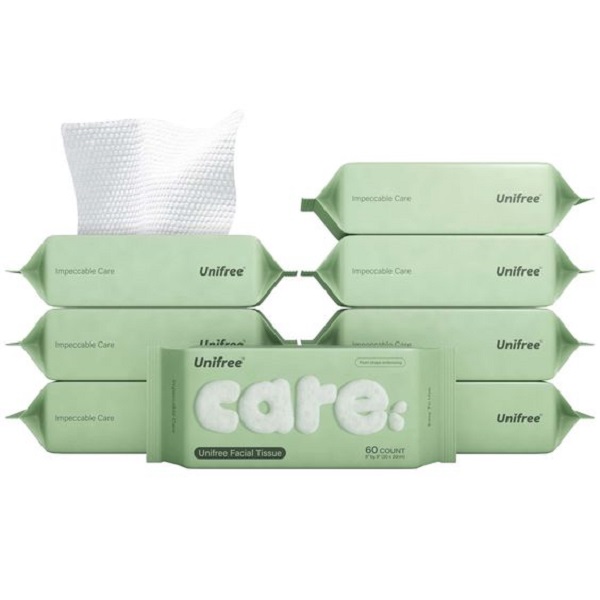
Beyond the Basics: Uses for Baby Wipes
Baby wipes are truly versatile and can be used for more than just cleaning your baby. Here are some creative and practical uses:
- Quick cleanups: Use baby wipes to quickly clean up spills, messes, or sticky situations around the house.
- Freshening up: Keep a pack of baby wipes in your gym bag or purse for a quick freshening up after a workout or on a hot day.
- Removing makeup: Baby wipes can gently remove makeup, even waterproof mascara, without irritating sensitive skin.
- Cleaning surfaces: Wipe down surfaces like countertops, tables, and doorknobs with baby wipes to remove germs and bacteria.
- Shoe shining: Believe it or not, baby wipes can effectively shine your shoes in a pinch.
Baby Wipe Safety and Precautions
While baby wipes are generally safe and gentle, it’s important to be aware of potential concerns and take necessary precautions.
1. Ingredient Awareness
Firstly, as mentioned earlier, be mindful of the ingredients in baby wipes. Avoid wipes containing harsh chemicals, fragrances, or alcohol, as these can irritate your baby’s skin. Choose wipes with gentle, natural ingredients whenever possible.
2. Proper Disposal
Secondly, dispose of baby wipes properly. Never flush baby wipes down the toilet, even if they are labeled as “flushable.” Baby wipes do not break down like toilet paper and can cause plumbing problems or contribute to sewer blockages. Dispose of them in the trash instead.
3. Avoiding Overuse
Thirdly, avoid overusing baby wipes, especially on sensitive areas like the diaper area. Excessive wiping can strip the skin of its natural oils, leading to dryness and irritation. Use wipes only when necessary and consider alternative cleansing methods like water and a washcloth when possible.
4. Patch Testing
Furthermore, if you’re introducing a new brand or type of baby wipe, perform a patch test on a small area of your baby’s skin before using it extensively. This can help you identify any potential sensitivities or allergic reactions.
5. Storage and Handling
Finally, store baby wipes properly to prevent them from drying out or becoming contaminated. Keep them in a cool, dry place away from direct sunlight or heat. Ensure the packaging is properly sealed to prevent moisture loss. Wash your hands before and after using baby wipes to maintain hygiene.
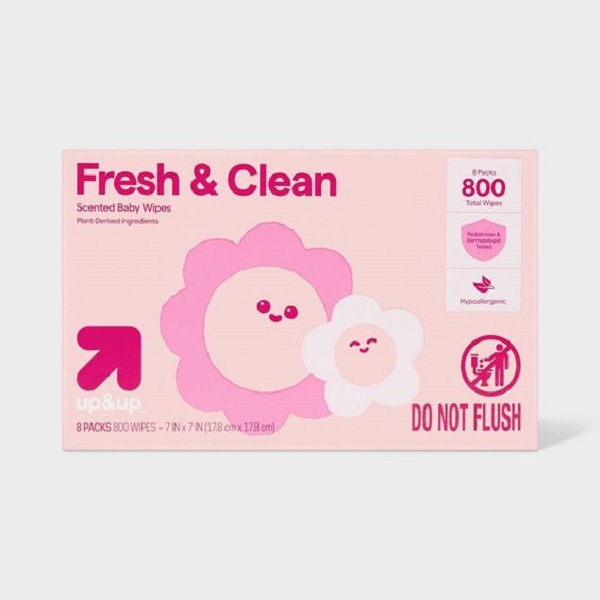
Making Your Own Baby Wipes
For those seeking a more natural and cost-effective option, consider making your own baby wipes. This allows you to control the ingredients and customize the wipes to your baby’s specific needs.
1. Choosing the Right Materials
Firstly, choose soft, absorbent cloths like cotton flannel or terry cloth. Cut the cloths into desired wipe sizes. You can also use paper towels or reusable cloth wipes specifically designed for this purpose.
2. Preparing the Solution
Secondly, prepare a gentle cleansing solution using water and a few natural ingredients. Aloe vera gel, chamomile tea, or a mild baby soap can be added for their soothing and cleansing properties.
3. Storing the Wipes
Thirdly, store the prepared wipes in an airtight container or a reusable wipe dispenser. Ensure the wipes are thoroughly moistened but not soaking wet. You can store them in the refrigerator for added freshness.
Baby Wipes and Diaper Rash Prevention
Why do babies need baby wipes? Baby wipes play a crucial role in preventing diaper rash, a common skin irritation that affects babies in the diaper area.
1. Gentle Cleansing
Firstly, baby wipes provide gentle and effective cleansing, removing urine and feces that can irritate the skin. This helps maintain a clean and dry diaper area, reducing the risk of diaper rash.
2. Moisturizing and Soothing
Secondly, many baby wipes contain moisturizing and soothing ingredients like aloe vera or vitamin E. These ingredients help hydrate the skin and create a protective barrier against irritation, further reducing the likelihood of diaper rash.
3. Choosing the Right Wipes
Thirdly, choose baby wipes that are specifically designed for sensitive skin or diaper rash prevention. These wipes are often formulated with hypoallergenic ingredients and may contain zinc oxide or other diaper rash-fighting agents.
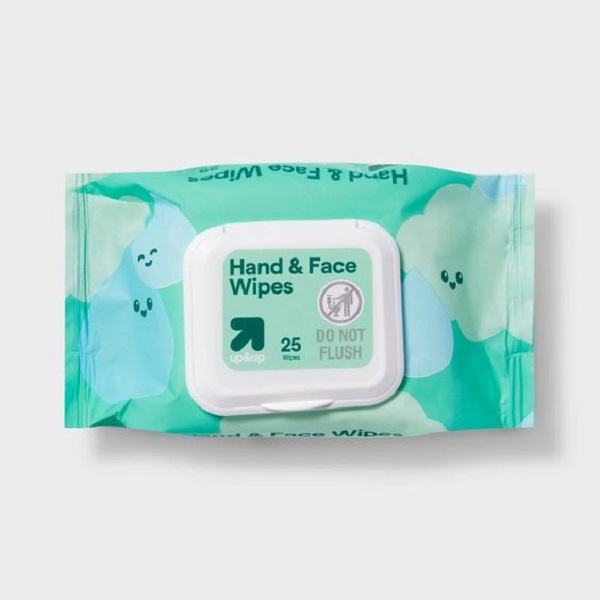
4. Proper Wiping Technique
Furthermore, use a proper wiping technique to ensure thorough cleansing without causing irritation. Wipe from front to back, especially for girls, to prevent bacteria from spreading to the urethra. Use gentle strokes and avoid excessive rubbing.